
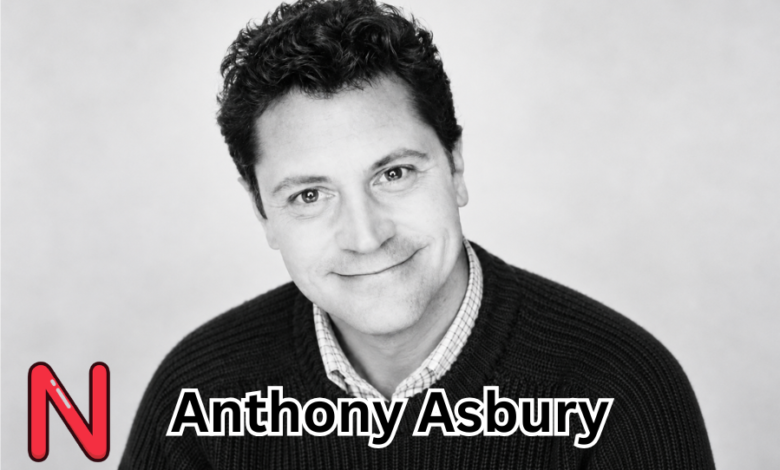
Anthony Asbury built a career in entertainment where the performer can be central to a scene yet almost invisible to the audience. An American actor, voice performer and puppeteer, he became associated with British political satire, Jim Henson productions, major studio films and educational children’s television.
For many viewers, his name is discovered only after revisiting a favourite production and looking behind the characters. That is particularly true of Labyrinth, Spitting Image and Between the Lions, three very different projects that show the range of his work. His career is best understood not as a conventional acting résumé, but as a long study in character performance through movement, voice and puppetry.
Quick Bio
| Profile Detail | Information |
|---|---|
| Full Name | Anthony Asbury |
| Date of Birth | 14 September 1959 |
| Birthplace | Arlington, Texas, United States |
| Nationality | American |
| Profession | Puppeteer, actor and voice actor |
| Known For | Labyrinth, Spitting Image, Between the Lions |
| Notable Character | Lionel Lion in Between the Lions |
| Labyrinth Roles | Firey 5, Four Guards performer and Right Door Knocker |
| Other TV Work | Allegra’s Window, The Wubbulous World of Dr. Seuss |
| Film Work | Labyrinth, The Witches, The Flintstones |
| Theatre Association | Little Shop of Horrors – Audrey II puppetry |
| Career Field | Film, television, theatre and professional puppetry |
| Years Active | Several decades across stage, film and television |
A Performer Whose Characters Often Came First
Puppetry creates an unusual relationship between performer and audience. The character is visible; the person operating it usually is not. That makes performers such as Anthony Asbury easy to recognise by their work without being widely recognised by face or name.
His credits stretch across satire, fantasy, family film and educational television. Political caricature needs timing and physical exaggeration, while a fantasy creature may depend on coordinated movement with other performers. Children’s characters require clear, consistent personality across repeated appearances.
Spitting Image Gave Asbury a Distinctive British Chapter
One of the most important parts of Asbury’s career was his work on Spitting Image, the British ITV satire famous for turning politicians, royals and celebrities into grotesque latex puppets. Its visual style depended on instantly recognisable caricatures, while its puppeteers had to make exaggerated faces feel active and responsive.
Asbury worked on the series for years and handled a wide range of characters. He is especially associated with the physical performance of Margaret Thatcher. The distinction between puppetry and voice work matters: Thatcher’s celebrated vocal impression was associated with Steve Nallon, while Asbury was among the performers responsible for bringing the puppet itself to life.
He also contributed voices and performances for other public figures. The result was a demanding mix of impersonation, movement and ensemble timing.
For an American performer, Spitting Image placed Asbury inside a distinctly British form of television comedy, adding another dimension to a career later strongly associated with American family entertainment.
Labyrinth Connected Him With Jim Henson’s Fantasy World
Asbury’s work on Labyrinth remains one of the most searched parts of his career. Jim Henson’s 1986 fantasy film combined live actors with elaborate creatures, practical effects and large-scale puppetry, creating a world that still attracts new audiences decades later.
Asbury was among the creature performers. He is credited with characters including Firey 5, one of the Four Guards and the Right Door Knocker. These are supporting creations rather than conventional starring roles, but they help define the film’s texture. Labyrinth works because its maze feels crowded with strange personalities, and that depended on puppeteers giving individual creatures specific rhythms and reactions.
The Fireys show the technical challenge clearly. Their deliberately chaotic sequence, with characters appearing to detach body parts, required close coordination between puppet performance, camera work and effects.
The film’s continuing popularity also keeps the names of its creature performers in circulation, especially as new viewers search beyond David Bowie and Jennifer Connelly to discover who created the characters around them.
His Film Work Extended Beyond the Goblin King’s Maze
Labyrinth was not Asbury’s only film involving creature or puppet performance. He also worked on The Witches, the 1990 screen adaptation associated with Jim Henson’s creature effects, and later contributed puppetry to The Flintstones in 1994.
Those credits reflect an era when practical creature work frequently placed physical characters beside actors, requiring puppeteers to perform for the camera while coordinating with sets, mechanisms and other operators.
Asbury was also connected with Little Shop of Horrors and the manipulation of Audrey II, one of theatre and film’s most recognisable puppets. The carnivorous plant is not simply a prop; its movement, timing and reactions are part of the comedy and menace of the story.
That kind of work shows why professional puppetry sits somewhere between acting and technical craft. The performer has to make machinery, fabric and structure feel spontaneous.
Children’s Television Brought His Character Work Forward
If Spitting Image showed Asbury’s ability to perform satire and Labyrinth demonstrated his place in fantasy filmmaking, children’s television gave him characters audiences could follow week after week.
On Nickelodeon’s Allegra’s Window, he performed characters including Rondo and Poco. The series used puppets, music and everyday situations to tell stories for young viewers. Performance in that setting required a different tone from adult satire: expressions had to read clearly, comic beats needed to be accessible and characters had to feel dependable across episodes.
He later became part of The Wubbulous World of Dr. Seuss, a puppet-driven interpretation of the author’s imaginative universe. His characters included Thidwick the Big-Hearted Moose, Yertle the Turtle and Terrence McBird.
Seuss characters already carry strong visual and literary identities, so performers must preserve what readers recognise while making them work naturally on television.
Lionel Lion Became One of Anthony Asbury’s Defining Roles
For many American viewers, Anthony Asbury is most strongly connected with Lionel Lion from PBS’s Between the Lions. The educational series centred on a family of lions living in a library and used comedy, songs, stories and recurring sketches to encourage literacy.
Lionel was useful because he was not merely an instructional device. He behaved like a child with opinions, enthusiasm and occasional impatience. That gave literacy lessons a personality-driven route into the story rather than making the programme feel like a classroom lecture.
Asbury’s work involved more than moving a puppet or supplying a voice. The character needed continuity. Small decisions about reaction, rhythm and attitude helped Lionel function as part of a believable family unit.
He also performed additional characters on the programme. Between the Lions became one of those educational shows remembered long after childhood, and that nostalgia continues to draw attention to the performers behind it.
Why Anthony Asbury’s Career Stands Out
The connecting thread in Asbury’s work is adaptability.
He moved between political caricature and preschool television, practical film creatures and speaking characters, and productions built around satire or education. Those shifts require more than technical control of a puppet. They demand an understanding of tone.
Puppetry is also an ensemble craft. One creature may involve several operators, while a scene can depend on coordination among performers, camera crews, designers and effects teams.
That helps explain why Asbury’s name appears across so many recognisable productions without always being the first name audiences associate with them.
Why People Are Still Searching for Anthony Asbury
Interest in Asbury is closely tied to the afterlife of the programmes and films he worked on. Labyrinth reached its 40th anniversary in 2026, giving another generation a reason to examine the people who created its creatures. Spitting Image remains a reference point in British television satire, while Between the Lions is remembered by viewers who grew up with PBS educational programming.
Online archives and fan communities have made it easier for viewers to discover the voice performers, creature performers and puppeteers behind familiar characters.
Anthony Asbury fits that pattern particularly well. His career sits behind several recognisable pieces of popular culture, making him a strong example of how much performance can happen outside the spotlight.
Conclusion
Anthony Asbury’s body of work shows how a performer can leave a visible mark while remaining physically out of sight. From the political caricatures of Spitting Image to the creatures of Labyrinth and the literacy-focused world of Between the Lions, his career crossed genres, countries and generations of viewers.
That range is the clearest way to understand his contribution. The characters changed, the audiences changed and the production methods changed, but the essential job remained the same: make an artificial character feel alive enough that viewers stop thinking about the performer controlling it.
FAQs.
What Is Anthony Asbury Best Known For?
Anthony Asbury is best known as a puppeteer, actor and voice performer whose credits include Spitting Image, Labyrinth, Allegra’s Window, The Wubbulous World of Dr. Seuss and Between the Lions. Different audiences may recognise his work from different stages of his career.
Which Characters Did Anthony Asbury Perform in Labyrinth?
His Labyrinth work includes Firey 5, one of the Four Guards and the Right Door Knocker. He was part of the wider creature-performance team that helped populate Jim Henson’s fantasy world with its distinctive practical characters.
Did Anthony Asbury Voice Margaret Thatcher on Spitting Image?
He is strongly associated with puppeteering the Margaret Thatcher character, but the well-known Thatcher voice on the programme was performed by impressionist Steve Nallon. Asbury’s contribution was primarily part of the puppet’s physical performance.
Who Did Anthony Asbury Play in Between the Lions?
Asbury performed Lionel Lion, one of the central young characters in the PBS literacy series. Lionel’s place within the library-dwelling Lion family made him one of Asbury’s most sustained and recognisable children’s television characters.
Was Anthony Asbury Involved With Little Shop of Horrors?
Yes. Asbury has professional credits connected with the manipulation of Audrey II, the giant carnivorous plant at the centre of Little Shop of Horrors. The role shows how puppetry can function as a major dramatic performance rather than simple stage machinery.
READ THIS TOO: Tommy Abbott: The Dancer and Choreographer Who Helped Shape Broadway’s Greatest Moments



One Comment