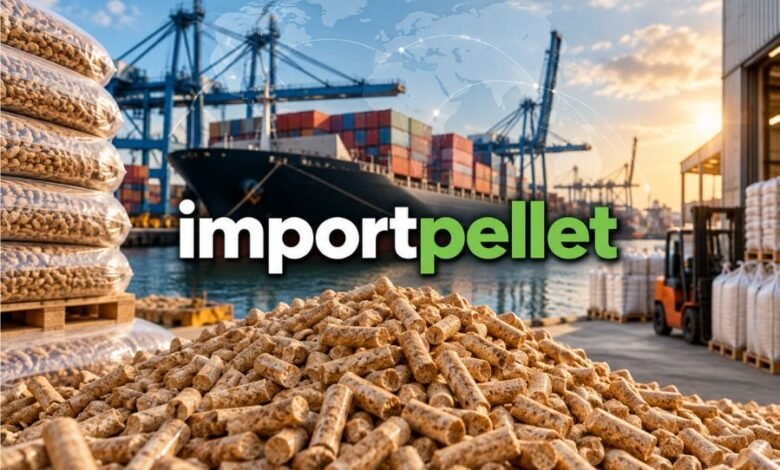
Wood pellets have become an internationally traded heating and power fuel, connecting sawmills and forestry businesses with household heating suppliers, factories and electricity generators. That trade helps explain the term importpellet, used in discussions about cross-border sourcing. The joined-up wording is not itself an internationally recognised fuel standard or a single global import system.
For British and American buyers, the questions are how to verify suppliers, interpret certifications and calculate delivery costs. As energy companies face closer scrutiny over the environmental impact of biomass, buying imported pellets now demands more than comparing a price per tonne.
A Small Fuel With an International Supply Chain
Wood pellets are manufactured by drying, grinding and compressing woody material into compact cylinders. Suitable raw materials can include sawdust, shavings and other residues from wood processing, although feedstock varies between producers. Their shape supports automated feeding in stoves, boilers and industrial systems.
Compression simplifies handling, but pellets are not interchangeable. Fuel for a domestic stove faces different quality expectations from material intended for a utility-scale power station.
International trade connects regions with substantial wood-processing industries to markets where consumption exceeds local production. The United States is an important exporter: according to preliminary figures from the US Energy Information Administration, the country exported approximately 9.4 million US tons of wood fuel pellets in 2025.
That scale conceals very different buying experiences. A household may purchase several bags through a retailer; an electricity generator can need sustained bulk deliveries, dedicated port facilities and contracts designed around large annual volumes.
What Importpellet Means to a Buyer
In commercial use, importpellet is best understood as a search term associated with importing pellet fuel, rather than proof that a particular seller, product or shipment is approved. Similar wording also appears in company names and online advertising, so the identity of any business must be established separately.
Buyers should begin with the intended application. Pellets intended for a small boiler, district-heating plant or industrial furnace should be specified according to that equipment’s operating requirements. Ordering generic “premium pellets” without measurable criteria invites disputes later.
The first question is whether the fuel, documentation and supplier can meet requirements throughout the contract.
Quality Is Decided Before the Ship Sails
Reading the Numbers on a Pellet Specification
Contracts should identify moisture, ash, energy content, dimensions, durability and contaminants. Moisture reduces useful heating performance and can cause storage problems. Excessive ash increases cleaning requirements, while fragile pellets create fines that complicate conveying and combustion.
The ENplus scheme provides recognised classes for wood pellets. Under its published requirements, A1 pellets have a maximum moisture content of 10% and maximum ash content of 0.7% on a dry basis. A2 permits ash content up to 1.2%, while ENplus B allows up to 2%. The scheme also addresses dimensions, durability and other characteristics.
An A1 label alone proves nothing. Buyers should check the certification status, approved products and relevant scope of the company making the claim. A photograph of a certificate cannot substitute for verification.
Why Household and Power-Station Fuel Differ
Domestic pellet appliances generally benefit from consistent, low-ash fuel and may require a particular class under the manufacturer’s instructions. Industrial facilities can sometimes accommodate wider fuel characteristics because their systems are designed for different operating conditions.
That distinction matters commercially. Paying for a specification higher than a plant requires can waste money; accepting a lower grade than a stove permits can create operating difficulties or affect warranty compliance.
The US also has Pellet Fuels Institute standards; American grading claims are not automatically equivalent to ENplus.
Supplier Checks That Go Beyond a Polished Website
Wood pellet procurement is vulnerable to the same documentary and payment risks found across commodity trading. Fake certificates, borrowed company identities and unrealistic offers can give inexperienced buyers a misleading sense of security.
ENplus maintains searchable records of certified businesses and publishes warnings about certification misuse. A buyer should independently match a supplier’s legal name, certification number and contact information to the scheme’s current records. It is also sensible to check company registration, trading history, banking details and whether the seller owns the production facility or acts as an intermediary.
For sizeable orders, independent sampling and laboratory analysis can help confirm contract specifications. A pre-shipment inspection may establish loading conditions, but the agreement should also explain what happens if tests at destination reveal a mismatch.
Intermediaries may organise inspections, but buyers must still establish who supplies the goods and bears contractual risk.
The Hidden Arithmetic of a Pellet Import
The price on a supplier quotation rarely represents the total landed cost. Freight rates, port handling, insurance, customs services, inland transport, financing and storage can all change the calculation. Currency movements matter when purchases are invoiced in foreign currencies.
Trade terms determine which party arranges transport, pays specified costs and carries risk at particular stages. FOB and CIF, for example, distribute responsibilities differently; neither term is a substitute for checking the insurance, delivery location and contractual wording.
Pellets also occupy space and must be protected from water. A shipment that suffers moisture damage may lose usable fuel value, while broken pellets and excessive dust can affect unloading and handling.
Professional buyers compare offers on a consistent delivered basis, ideally considering useful energy rather than headline weight alone. That exposes offers that become uncompetitive after delivery.
Britain: An Established Market Under Scrutiny
Imported biomass has a visible role in Britain’s energy debate, particularly through large-scale electricity generation. Yet the regulatory conversation extends beyond whether pellets count as renewable fuel. It concerns forest management, greenhouse-gas emissions, biodiversity and what happens throughout a supply chain.
The UK already applies sustainability requirements in specified bioenergy support arrangements. In December 2025, the government opened a consultation on a proposed common biomass sustainability framework, seeking stronger consistency in evidence, monitoring and verification. As of July 2026, ministers said they were analysing responses; a consultation proposal should not be mistaken for an enacted universal rule.
Smaller buyers face their own practical issues: compatibility with boilers, documented fuel quality and reliable winter deliveries. Some installations participating in the Renewable Heat Incentive have specific woodfuel quality obligations, making their scheme conditions relevant when purchasing.
Foreign suppliers’ green marketing cannot establish UK regulatory compliance.
The United States: Producer, Exporter and Home-Heating Market
America’s wood-pellet industry serves different customers. Large manufacturers supply overseas energy markets, while domestic producers and distributors also serve residential and commercial heating. The Energy Information Administration distinguishes heating-grade pellets from utility-grade products in its industry reporting.
Bulk export specifications may not suit home stoves. Stove manufacturers’ instructions, recognised fuel standards and local supply conditions remain more useful than a broad description such as “industrial quality”.
For US businesses considering imports, shipping geography matters. A competitively priced overseas cargo may make little commercial sense if domestic supply is available closer to the end user. Conversely, specialist requirements or regional shortages can justify looking abroad.
Importers must verify US requirements rather than rely on European documentation.
Does Importing Wood Pellets Help the Climate?
Wood is renewable in the sense that forests can regrow, but that does not make every shipment automatically low carbon. The climate outcome depends on feedstock, forest management, alternative uses of the wood, processing energy, transport and the timescale over which carbon is released and reabsorbed.
Using residues from existing wood production is not environmentally identical to sourcing material that would otherwise remain in a forest. Poor forestry practices can damage habitats and carbon stocks, regardless of how efficiently the resulting pellets burn.
European rules recognise that difference. The revised EU Renewable Energy Directive strengthens sustainability and greenhouse-gas criteria for biomass and limits eligibility linked to sensitive forest areas. Separate chain-of-custody systems, including the Sustainable Biomass Program, address sourcing evidence for relevant energy markets.
For importers, the meaningful environmental question is what can be demonstrated about a specific supply chain. A generic claim of carbon neutrality is weaker than traceable feedstock records and a credible lifecycle assessment.
The Risks Inside the Warehouse
Transport is only part of handling wood pellets safely. They need dry storage, protection from ignition sources and procedures appropriate for combustible dust. Large or enclosed stores can also develop hazardous atmospheres, including carbon monoxide from stored pellets.
Safe bulk storage requires ventilation, monitoring, access controls and trained personnel. Workers should follow site-specific procedures rather than entering an enclosed pellet store without a suitable risk assessment.
Moisture also threatens product quality. Pellets that absorb water may swell and disintegrate, making automated feeding unreliable. Packaging integrity and covered unloading areas can matter almost as much as the supplier’s laboratory results.
Buying Well Means Planning Beyond the First Delivery
One successful test shipment does not guarantee consistent quality over a year. Raw-material supplies can change, factories may alter feedstock blends and shipping schedules can slip at busy ports.
Contracts should define tolerances, sampling, complaints and remedies. They also consider alternative suppliers, practical stock levels and the financial cost of an interruption.
The strongest contracts align incentives: the seller knows precisely what must arrive, and the buyer has a workable way to confirm it. That is a more dependable foundation than chasing an unusually low advertised price.
Distributors must also consider customers. A retailer selling household heating fuel needs predictable bag weights, intact packaging and products suited to the appliances its customers own. Wholesale pricing means little if customer complaints and returns consume the apparent saving.
Conclusion
Importpellet reflects interest in a global trade that turns processed wood into a transportable energy product. The term itself guarantees nothing about a company or a cargo. Quality standards, transparent sourcing, careful cost calculations and safe handling are what separate a credible pellet supply arrangement from a risky purchase.
For UK and US buyers, the lesson is practical: establish the fuel specification first, verify who is selling it, then assess the full financial and environmental consequences of moving it across borders.
FAQs
What Does Importpellet Refer To?
The term is used in online searches and trade discussions concerning imported pellets, particularly wood pellets for heating and energy. It is not a universal fuel certification or customs category. Because similar wording appears in individual business names, check the exact legal entity before assuming a particular company is involved.
What Is the Difference Between ENplus A1 and A2 Pellets?
Both classes place limits on moisture and other characteristics, but A1 has a stricter ash threshold: 0.7% on a dry basis, compared with 1.2% for A2. The appropriate choice depends on the appliance specification and relevant purchasing requirements, not simply which class sounds more premium.
Can Imported Pellets Be Used in Any Wood Pellet Stove?
No. A stove may require a particular pellet diameter, quality grade or other characteristics. Check the manufacturer’s instructions and warranty conditions before purchasing. Fuel intended for industrial combustion systems should not automatically be treated as suitable for domestic appliances, even when its price is attractive.
How Can Buyers Verify an Overseas Pellet Supplier?
Start with independent company registration checks, verified contact details and a review of trading credentials. Where ENplus certification is claimed, match the company’s identification number against current certification records. For larger shipments, independently agreed inspections, samples and laboratory tests provide additional protection against specification disputes.
Are Imported Wood Pellets Environmentally Sustainable?
They can meet recognised sustainability criteria, but environmental performance depends on where the wood comes from, how forests are managed, and the emissions from processing and transport. Certification and chain-of-custody documents can support verification, although buyers should still examine the specific claim being made.